
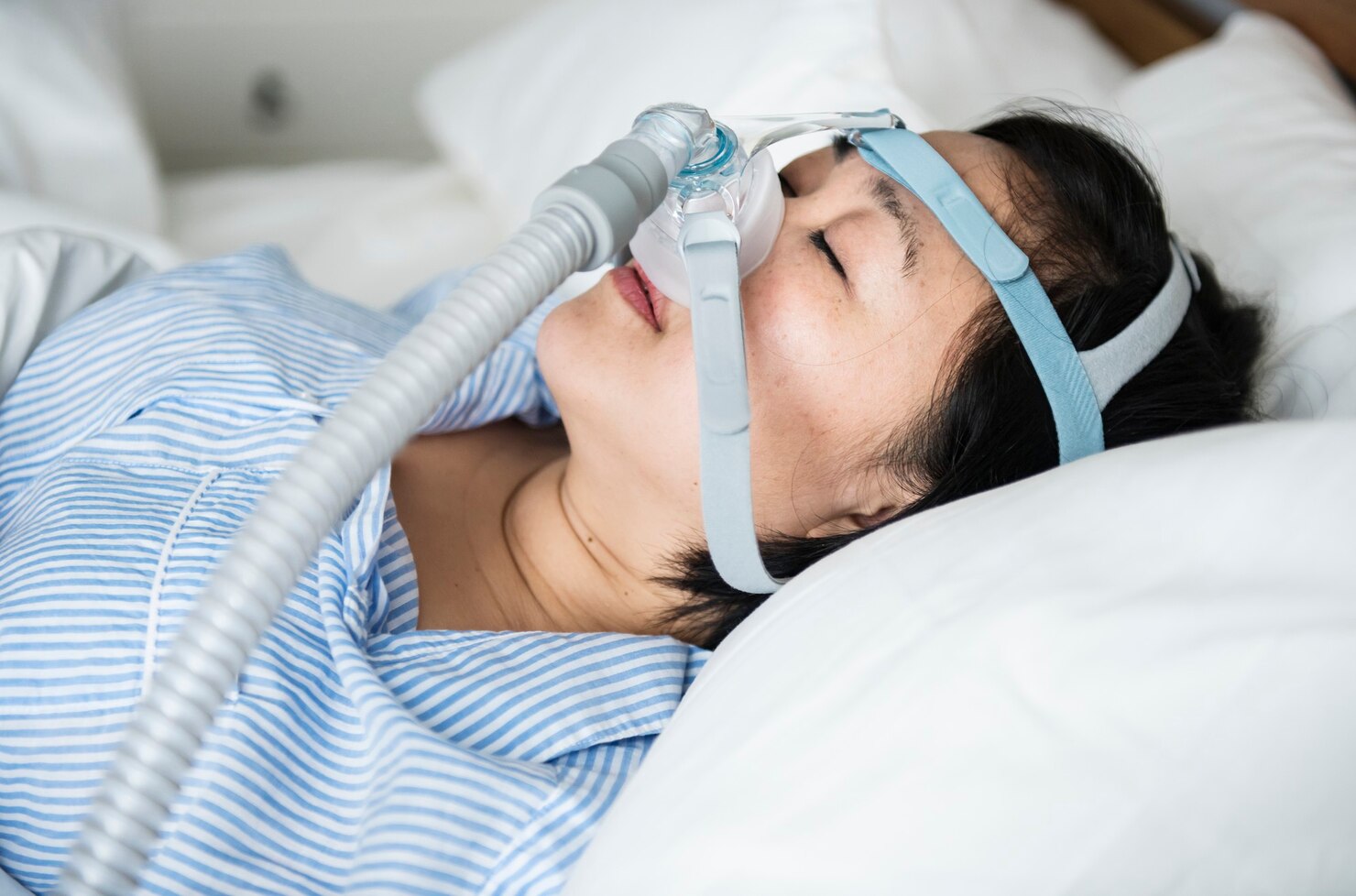
Sleep apnea can affect anyone—regardless of age, gender, or body type—but certain factors can significantly increase the likelihood of developing Obstructive Sleep Apnea (OSA). Understanding these risk factors can help you identify early warning signs and seek timely care.
1. Short, Thick, or Larger Neck Circumference
Individuals with larger neck sizes are more likely to experience airway narrowing during sleep.
- Men: Neck size of 17 inches or more
- Women: Neck size of 16 inches or more
Excess soft tissue—from the chin to the neck, sometimes referred to as a “turkey neck”—can further reduce airway space and contribute to OSA.
2. Family History
If close family members struggle with snoring or have been diagnosed with sleep apnea, your risk increases. Genetics can influence airway structure, muscle tone, and sleep-related breathing patterns.
3. Enlarged Tonsils or Adenoids
Enlarged tonsils or adenoids reduce airflow through the upper airway.
- In children, this is the most common cause of sleep apnea. Removal often leads to a dramatic improvement in symptoms.
4. Jaw Structure
An undersized or retruded lower jaw (retrognathia) can cause the tongue and soft tissues to crowd the airway. This structural imbalance raises the risk of airway collapse during sleep.
5. Being Overweight
Although anyone can have sleep apnea, excess body weight increases risk because fat deposits around the neck and chin can narrow the airway.
- Important note: Many people with OSA are not overweight, and many overweight individuals never develop sleep apnea.
6. Smoking
Smokers are up to three times more likely to develop OSA. Smoking causes inflammation and fluid retention in the airway, reducing the space available for airflow and increasing nighttime breathing disturbances.
7. Alcohol and Sedative Use
Alcohol and sedatives relax the throat muscles, making airway collapse more likely. Using these substances—particularly in the evening—can worsen sleep-disordered breathing.
8. Mouth Breathing
Sleeping with the mouth open is often a sign of nasal obstruction. When the nose is blocked, the jaw drops to compensate, narrowing the pharyngeal airway and increasing the chances of obstructive sleep apnea.
9. Being Male
Men are approximately twice as likely to experience sleep apnea. However, the difference lessens with age; after menopause, women’s risk rises and becomes almost equal to men’s.
10. Age
Sleep apnea becomes significantly more common after age 40. Changes in muscle tone, soft tissue, and airway anatomy contribute to increased risk over time.
Know the Signs—Take the Next Step
If you or someone you love has one or more of these risk factors, it may be time to speak with a physician or sleep specialist. Sleep apnea is extremely common—affecting at least 1 in 5 adults—yet often goes undiagnosed. Early evaluation and treatment can make a profound difference in your health, energy, and long-term well-being.
A Full Breath Center dentist will be able to help you determine if sleep apnea treatment is right for you. Please make an appointment with Dr. P. J. Nagjee by calling (310) 435-7939.