
Understanding Sleep Apnea
You Slept All Night. So Why Do You Still Feel Exhausted?
If you wake up tired every morning, struggle to stay awake during the day, or regularly deal with morning headaches, the problem may not be how long you’re sleeping. It may be how well you’re breathing while you sleep.

Dr. Nagjee helps patients understand what’s disrupting their sleep and whether poor nighttime breathing could be the reason they wake up feeling exhausted.


Your Body Can’t Fully Rest If It’s Working to Breathe.
While you sleep, your body should naturally move through deep stages of restorative sleep.
When your airway becomes blocked, your body briefly wakes you so you can breathe normally again. Most people don’t remember these moments, but they can happen many times throughout the night.
Even though you stayed in bed for eight hours, your body never gets the uninterrupted rest it needs to fully recover.
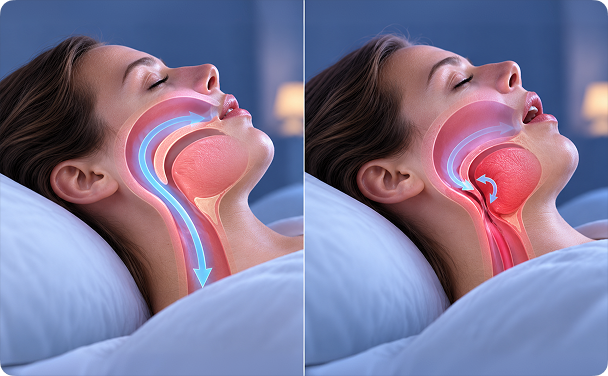
Could Your Fatigue Be Coming From Your Sleep?
Many people assume they’re simply overworked, stressed, or getting older. But if you’re regularly experiencing any of these symptoms, poor nighttime breathing may be part of the problem.
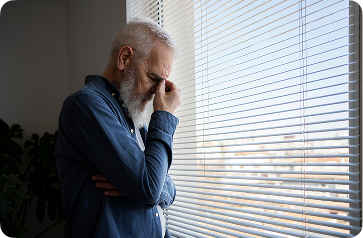
You wake up feeling exhausted every morning.

You rely on coffee just to get through the day.

You experience frequent morning headaches.

You struggle to concentrate or think clearly.

You often feel sleepy during the afternoon.

Your partner says you snore loudly or stop breathing while sleeping.

You wake up with a dry mouth.

You don’t have to experience every symptom for your sleep to be affecting your energy.
Why Morning Headaches and Fatigue Often Go Together
Poor-quality sleep doesn’t just leave you feeling tired.
When your breathing is repeatedly interrupted throughout the night, your body doesn’t receive the consistent oxygen and uninterrupted rest it needs.
That can contribute to waking up with headaches, brain fog, low energy, and the feeling that no amount of sleep is ever enough.
These symptoms aren’t separate problems. They’re often connected by what’s happening while you sleep.


The Problem Isn’t That You’re Sleeping Less. It’s That Your Sleep Keeps Getting Interrupted.
Many people try to solve fatigue by sleeping longer.Many people try to solve fatigue by sleeping longer.
Others rely on coffee, energy drinks, supplements, or naps just to get through the day.
But if your airway isn’t staying open throughout the night, none of those solutions address the real problem.
Lasting improvement starts by treating what’s interrupting your sleep, not simply managing the symptoms of fatigue.
A Personalized Assessment. Not Another Guess.
Feeling tired can have many causes.
That’s why Dr. Nagjee begins by understanding your symptoms, sleep habits, health history, and any previous treatments you’ve tried before recommending anything. If your symptoms suggest that poor nighttime breathing may be contributing to your fatigue, Dr. Nagjee will determine whether Full Breath Solution is the right approach for you.

Talk with Dr. Nagjee
One of the earliest signs that your airway isn’t staying open throughout the night.

Personalized Treatment Plan
One of the earliest signs that your airway isn’t staying open throughout the night.

Custom-Made & Shipped
Your device is made by a specialist lab to exact specs and shipped worldwide.
Fitting and any adjustments are done over a video call. Many patients notice meaningful improvements within 7 to 10 days of consistent use.

Speak With Dr. Nagjee
Better Days Start With Better Nights.
Understanding what’s happening while you sleep could be the first step toward having more energy, clearer thinking, and feeling like yourself again.
If Dr. Nagjee believes he can help, he’ll explain exactly what comes next. If he doesn’t, he’ll tell you that too.

Talk to Dr. Nagjee
You speak directly with the doctor.


100% Confidential
Your information is always protected.
COMMON QUESTIONS
Frequently Asked Questions
Sleeping long enough doesn’t always mean you’re sleeping well. If your breathing is repeatedly interrupted during the night, your body may never reach the deep stages of sleep needed for proper recovery.
Yes. Interrupted breathing and poor-quality sleep can contribute to morning headaches for many people.
Persistent daytime fatigue is one of the most common symptoms of sleep apnea. A proper evaluation can help determine whether your symptoms are related.
No. While everyone has an occasional bad night’s sleep, waking up exhausted day after day isn’t something you should ignore. If it’s happening regularly, it may be worth evaluating whether poor nighttime breathing is affecting your sleep quality.
Many patients notice improvements in their energy, focus, and overall well-being as their sleep quality improves, although results vary depending on the underlying cause.
Yes. Dr. Nagjee regularly works with patients in North and South America, Europe and Asia.
The device is custom-made, shipped directly to you, and the fitting is done over a video call with Dr. Nagjee.