
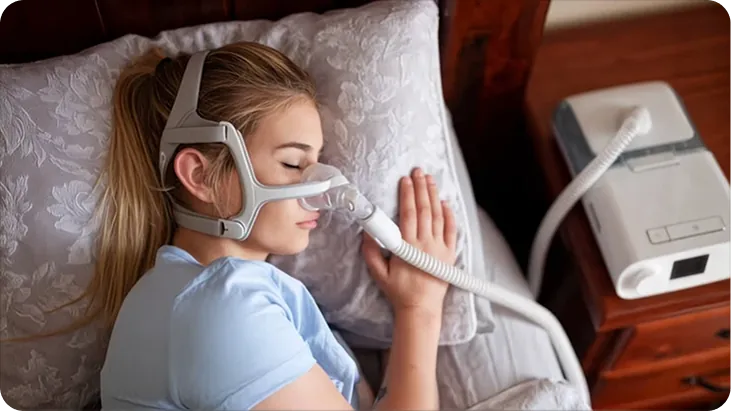
Many people think sleep apnea is simply about snoring or feeling tired during the day. In reality, untreated sleep apnea can affect nearly every part of your health.
When your breathing repeatedly stops throughout the night, your body is constantly working to restore normal airflow instead of getting the deep, restorative sleep it needs. Over time, these interruptions can affect your energy, your heart, your brain, and your overall quality of life.
The good news is that sleep apnea is treatable. Recognizing the problem early can help you protect both your sleep and your long-term health.
What You’ll Learn
In this article, you’ll discover:
- What happens to your body when sleep apnea goes untreated
- The short-term and long-term effects of interrupted breathing
- Who is most at risk
- Available treatment options
- When it’s time to seek professional help
What Is Sleep Apnea?
Sleep apnea is a condition where your breathing repeatedly slows down or stops while you’re asleep.
Each time this happens, your body briefly wakes you just enough to restore normal breathing. These interruptions often last only a few seconds, so most people don’t remember them happening.
However, they may occur dozens or even hundreds of times throughout the night.
As a result, your body misses out on the deep stages of sleep needed for recovery, leaving you feeling tired even after what seems like a full night’s sleep.
Types of Sleep Apnea
There are several forms of sleep apnea, each with a different cause.
Obstructive Sleep Apnea (OSA)
The most common type. It occurs when the muscles in the throat relax and block the airway during sleep.
Central Sleep Apnea (CSA)
This form occurs when the brain doesn’t consistently send the correct signals to the muscles responsible for breathing.
Complex Sleep Apnea
A combination of obstructive and central sleep apnea.
Although each type is different, all can interfere with healthy breathing and restorative sleep.
Early Warning Signs You Shouldn’t Ignore
Sleep apnea often develops gradually, making it easy to overlook.
Common symptoms include:
- Loud or frequent snoring
- Pauses in breathing during sleep
- Waking up gasping or choking
- Morning headaches
- Dry mouth upon waking
- Excessive daytime fatigue
- Difficulty concentrating
- Memory problems
- Mood changes or irritability
If several of these symptoms sound familiar, it may be time for a professional evaluation.
How Untreated Sleep Apnea Affects Your Daily Life?
Many people notice the effects of sleep apnea long before they’re diagnosed.
Poor-quality sleep can lead to:
Constant Fatigue
Even after spending enough time in bed, you may never feel fully rested.
Difficulty Concentrating
Interrupted sleep affects focus, memory, decision-making, and productivity.
Mood Changes
Poor sleep can contribute to irritability, anxiety, and emotional ups and downs.
Reduced Physical Performance
Lower energy levels make exercise and everyday activities more difficult.
Higher Risk of Accidents
Daytime drowsiness increases the risk of workplace mistakes and motor vehicle accidents.
Weakened Immune Function
Without restorative sleep, your body’s ability to recover and fight illness may decline.
The Long-Term Health Risks
Sleep apnea doesn’t only affect how you feel today. Over time, untreated sleep apnea has been linked to several serious health conditions.
These include:
- High blood pressure
- Heart disease
- Heart failure
- Stroke
- Irregular heart rhythm (atrial fibrillation)
- Type 2 diabetes
- Metabolic syndrome
- Fatty liver disease
- Anxiety and depression
These risks develop because your body experiences repeated drops in oxygen and ongoing sleep disruption night after night.
Sleep Apnea Affects More Than Your Health
Sleep apnea can also affect your relationships and daily life.
Loud snoring and restless sleep may keep your partner awake, leaving both of you feeling exhausted.
Poor concentration and daytime fatigue can reduce work performance, while mood changes may create frustration at home and in social situations.
Sleep apnea isn’t just a nighttime problem. It often affects every part of your day.
Who Is Most at Risk?
Sleep apnea can affect anyone, but some factors increase the likelihood of developing the condition. These include:
- Excess weight
- Family history of sleep apnea
- High blood pressure
- Diabetes
- Smoking
- Regular alcohol use
- Larger neck circumference
- Chronic nasal congestion
- Older age
Having one or more risk factors doesn’t necessarily mean you have sleep apnea, but it does make an evaluation worthwhile if you’re experiencing symptoms.
How Dr. Nagjee Helps Patients Find Relief?
The first step isn’t choosing a treatment. It’s understanding what’s causing your symptoms.
Dr. Nagjee begins every consultation by learning about your sleep, your health history, and the symptoms you’ve been experiencing.
Depending on your needs, he may recommend a sleep study to better understand what’s happening while you sleep.
If poor nighttime breathing is confirmed, he’ll discuss the treatment options that are most appropriate for you. For many patients, Full Breath Solution provides a comfortable, custom oral appliance that offers an effective alternative to CPAP.
Every recommendation is based on your individual needs, not a one-size-fits-all approach.
Conclusion
Sleep apnea is far more than a nighttime inconvenience. Left untreated, it can affect your energy, your relationships, your work, and your long-term health.
The encouraging news is that effective treatment is available. Identifying sleep apnea early can help improve the quality of your sleep, restore your energy, and reduce the risk of serious health complications.
If you’ve been experiencing symptoms such as loud snoring, daytime fatigue, or morning headaches, don’t ignore them. Understanding the cause is the first step toward better sleep and better health.
Better Health Starts With Better Sleep
If you think sleep apnea may be affecting your life, schedule a consultation with Dr. Nagjee to better understand your symptoms and explore the treatment options available.
He’ll take the time to listen, answer your questions, and recommend the approach that’s right for you. If Full Breath Solution can help, he’ll explain exactly what comes next. If it isn’t the right treatment, he’ll tell you that too.
Schedule Your Consultation