
Many people think insomnia is simply caused by stress, anxiety, or poor sleep habits. While those can certainly play a role, they’re not always the whole story.
If you regularly struggle to fall asleep, wake up multiple times during the night, or never feel rested in the morning, the problem may not be insomnia alone. In some cases, interrupted breathing during sleep can prevent your body from getting the deep, restorative rest it needs.
Understanding the connection between insomnia and sleep apnea is the first step toward finding the right treatment and improving your overall health.
What You’ll Learn
In this article, you’ll discover:
- How sleep apnea can contribute to insomnia
- Signs your sleeplessness may be related to a sleep disorder
- Why treating the underlying cause matters
- When it’s time to seek professional help
Understanding the Connection Between Insomnia and Sleep Apnea
Sleep apnea is a condition where your breathing repeatedly slows down or stops while you’re asleep because your airway becomes partially or completely blocked.
Each time this happens, your body briefly wakes you just enough to breathe normally again. Most people never remember these moments because they happen so quickly, but they can occur dozens or even hundreds of times throughout the night.
As a result, your body struggles to reach the deep stages of sleep needed for recovery. Even if you spend eight hours in bed, you may still wake up feeling exhausted.
Over time, these repeated interruptions can make it difficult to stay asleep, creating symptoms that closely resemble chronic insomnia.
Why Sleep Apnea Often Goes Unrecognized?
Many people don’t realize they’re waking up throughout the night because the interruptions are so brief.
Instead, they notice the effects during the day.
You may think you’re simply a light sleeper, under stress, or not getting enough sleep. In reality, your body could be working harder than it should just to keep you breathing throughout the night.
That’s why sleep apnea is often overlooked for years before it’s diagnosed.
Signs Your Insomnia Could Be Related to Sleep Apnea
If your insomnia is accompanied by any of these symptoms, it may be worth exploring whether sleep apnea is contributing to your sleep problems.
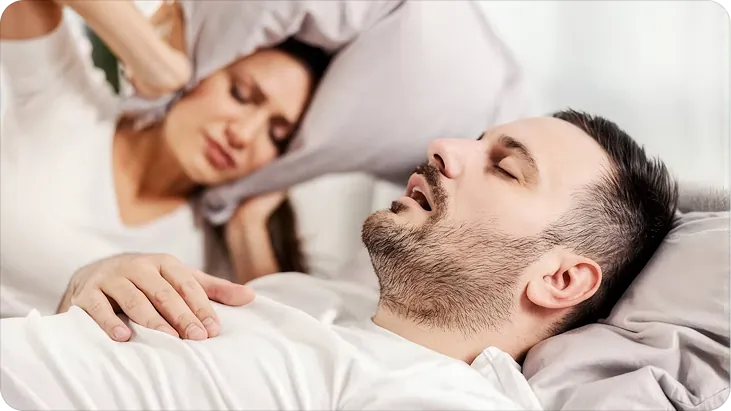
- Loud or frequent snoring
- Waking up gasping or choking
- Morning headaches
- Dry mouth or sore throat when you wake up
- Feeling tired despite sleeping for several hours
- Difficulty concentrating throughout the day
- Irritability or mood changes
- A partner noticing pauses in your breathing
You don’t need to experience every symptom. Even a few of these signs can be enough to warrant a professional evaluation.
Why Finding the Real Cause Matters?
Many people spend years trying different solutions for insomnia.
They buy a new mattress, try sleep supplements, change their bedtime routine, or rely on sleeping pills.
While these approaches may help improve sleep habits, they won’t solve the problem if interrupted breathing is what’s preventing restorative sleep.
Treating the underlying cause can improve far more than your nights. Many patients notice better energy, improved focus, fewer morning headaches, and a better quality of life once their sleep becomes more restorative.
How Dr. Nagjee Helps Patients Sleep Better?
Every patient begins with a conversation. Rather than recommending the same solution for everyone, Dr. Nagjee takes the time to understand your symptoms, sleep patterns, and previous treatment experiences.
If poor nighttime breathing appears to be contributing to your insomnia, he’ll determine whether Full Breath Solution or another treatment approach is right for you.
For many patients who struggle with CPAP or are looking for a comfortable, non-invasive alternative, a custom oral appliance may provide an effective solution.
The goal isn’t simply to help you sleep longer. It’s to help you sleep better.
When Should You Seek Professional Help?
Occasional sleepless nights are normal.
But if you’ve been struggling with insomnia for several weeks and also experience symptoms like loud snoring, daytime fatigue, morning headaches, or pauses in breathing during sleep, it’s worth scheduling a professional evaluation.
The sooner the underlying cause is identified, the sooner you can begin getting the restorative sleep your body needs.
Conclusion
Insomnia isn’t always a condition on its own. Sometimes, it’s your body’s way of telling you that something is disrupting your sleep night after night.
If you’ve been struggling with frequent insomnia, waking up feeling exhausted, or noticing symptoms like loud snoring, morning headaches, or daytime fatigue, it’s worth looking beyond the symptoms and understanding what may be causing them.
Sleep apnea often goes undiagnosed because the interruptions happen while you’re asleep. The good news is that once the underlying cause is identified, effective treatment can help you enjoy deeper, more restorative sleep and improve your overall quality of life.
You don’t have to keep guessing why you’re tired. Understanding the cause is the first step toward finding the right solution.
Better Sleep Starts With Understanding the Cause
If frequent insomnia has become part of your routine, schedule a consultation with Dr. Nagjee to find out whether poor nighttime breathing may be contributing to your symptoms.
He’ll take the time to understand your concerns, explain your options, and recommend the treatment that’s right for you. If Full Breath Solution can help, he’ll explain exactly what comes next. If it isn’t the right approach, he’ll tell you that too.
Schedule Your Consultation