
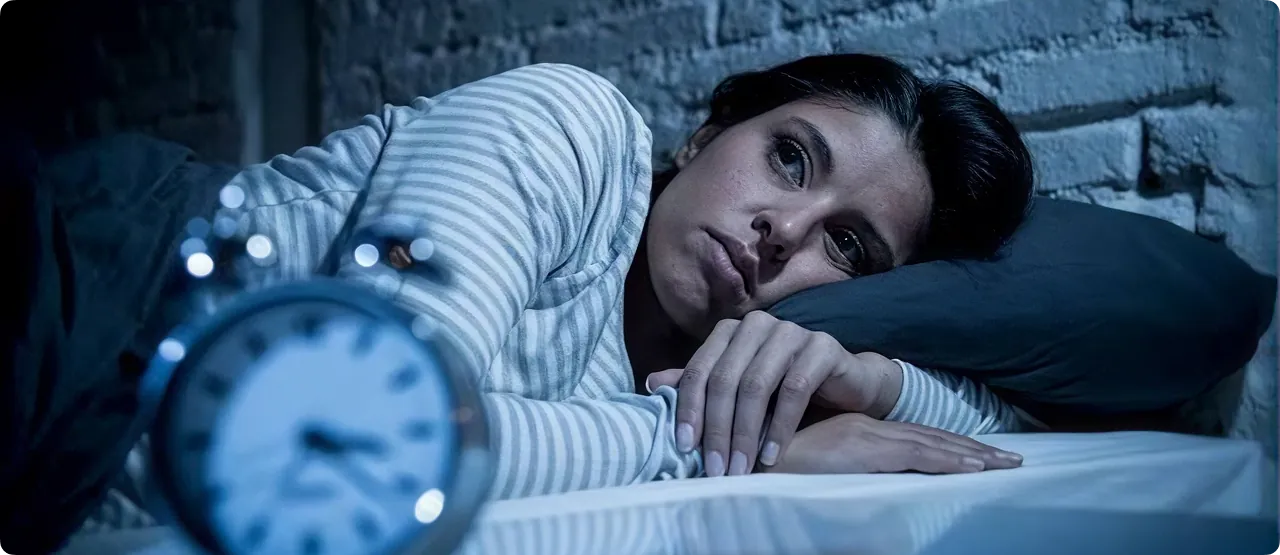
Sleep apnea isn’t always obvious. While loud snoring is one of the most recognized symptoms, it’s often the signs you don’t expect that go unnoticed for years.
If you’ve been waking up with headaches, struggling to stay awake during the day, feeling unusually irritable, or never quite feeling rested, your body may be trying to tell you something.
Understanding these lesser-known symptoms can help you recognize sleep apnea earlier and take the first step toward improving your sleep, your health, and your quality of life.
What You’ll Learn:
In this article, you’ll discover:
- The hidden symptoms of sleep apnea beyond snoring
- Why these symptoms happen
- Who may be at risk
- When it’s time to seek professional help
What Is Obstructive Sleep Apnea?
Obstructive sleep apnea occurs when the airway becomes partially or completely blocked while you’re sleeping.
Each time this happens, your body has to briefly wake you just enough to restore normal breathing. These interruptions often last only a few seconds, so most people don’t remember them happening.
However, they may occur dozens or even hundreds of times throughout the night.
As a result, your body struggles to reach the deep, restorative stages of sleep needed for recovery. Even if you spend eight hours in bed, you may still wake up feeling exhausted.
Hidden Signs You Shouldn’t Ignore
Most people associate sleep apnea with loud snoring. While snoring is one of the most common symptoms, it isn’t the only warning sign. Many people experience other symptoms for years before realizing poor nighttime breathing could be the cause.
Morning Headaches
Reduced oxygen levels and repeated sleep interruptions can contribute to headaches that are often present when you wake up.
Dry Mouth or Sore Throat
Breathing through your mouth during sleep can leave you waking up with a dry mouth, sore throat, or persistent thirst.
Daytime Fatigue
If you feel exhausted despite spending enough time in bed, your sleep may be getting interrupted throughout the night without you realizing it.
Brain Fog and Difficulty Concentrating
Poor-quality sleep can affect memory, concentration, decision-making, and overall mental clarity.
Mood Changes
Sleep deprivation can influence emotional well-being, leading to irritability, anxiety, mood swings, or symptoms of depression.
Why Do These Symptoms Happen?
Sleep apnea doesn’t just interrupt your breathing. It interrupts your sleep. Every time your airway becomes blocked, your body has to wake you enough to breathe normally again. Although these moments are usually too brief to remember, they repeatedly interrupt your sleep cycle.
Over time, your body misses out on the deep, restorative sleep it needs to recover, repair itself, and function at its best. That’s why symptoms like fatigue, headaches, poor concentration, and mood changes are often connected rather than being separate health concerns.
Who Is More Likely to Have Sleep Apnea?
Sleep apnea can affect people of all ages and body types, but certain factors may increase the risk. These include:
- Excess weight
- Chronic nasal congestion
- Smoking
- Regular alcohol consumption
- Larger oral or throat tissues
- A family history of sleep apnea
Even if none of these risk factors apply to you, persistent symptoms shouldn’t be ignored.
Why Early Diagnosis Matters?
Many people live with sleep apnea for years without realizing it. During that time, poor-quality sleep continues to affect their daily lives while also increasing the risk of long-term health problems.
Untreated sleep apnea has been associated with:
- High blood pressure
- Heart disease
- Stroke
- Type 2 diabetes
- Reduced immune function
- Memory and concentration problems
The earlier sleep apnea is identified, the sooner treatment can begin and the greater the opportunity to improve both sleep quality and long-term health.
How Dr. Nagjee Helps Patients Find Relief?
The first step isn’t choosing a treatment. It’s understanding what’s causing your symptoms.
Dr. Nagjee begins every consultation by learning about your sleep, your health history, and the symptoms you’ve been experiencing.
If poor nighttime breathing appears to be contributing to your symptoms, he’ll explain the treatment options that may be appropriate for your situation.
For many patients who struggle with CPAP or are looking for a more comfortable, non-invasive approach, Full Breath Solution may provide an effective alternative. Every treatment recommendation is personalized because no two patients experience sleep apnea in exactly the same way.
Conclusion
Sleep apnea doesn’t always announce itself with loud snoring. Sometimes, the first signs are subtle: waking up with headaches, feeling unusually tired, struggling to concentrate, or simply never feeling fully rested.
These symptoms may seem unrelated, but they can all point to the same underlying issue, interrupted breathing during sleep.
Recognizing these hidden clues is the first step toward understanding what’s affecting your sleep and your overall health. With the right evaluation and treatment, many people experience more restful nights, greater energy, and a better quality of life.
Don’t Ignore What Your Body Is Trying to Tell You
If you’ve noticed any of these symptoms, it may be time to find out whether poor nighttime breathing is affecting your sleep.
Schedule a consultation with Dr. Nagjee to better understand what’s causing your symptoms and explore the treatment options that may be right for you.
If he believes he can help, he’ll explain exactly what comes next. If he doesn’t, he’ll tell you that too.
Schedule Your Consultation