
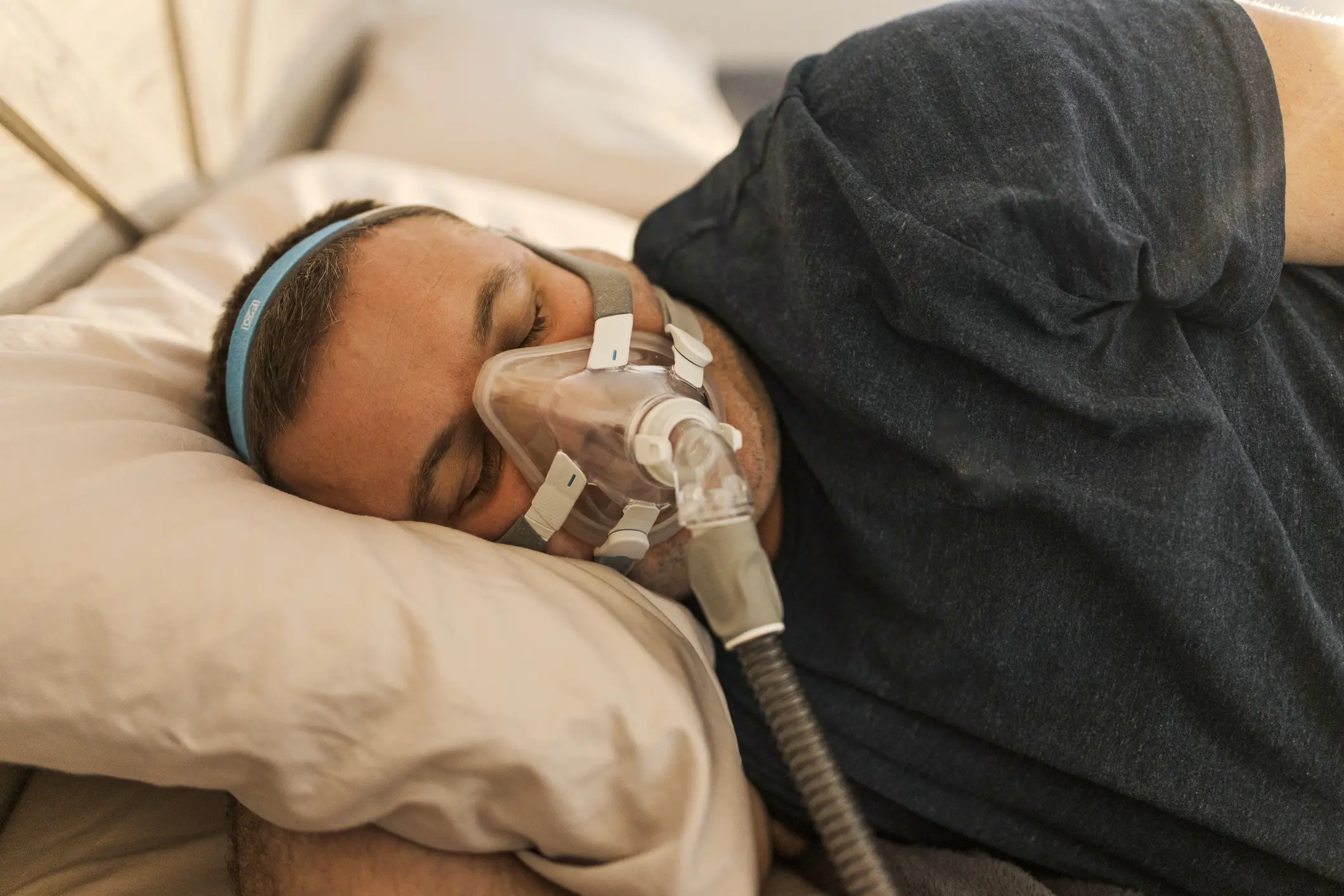
Could your weight be affecting your sleep—or is poor sleep affecting your weight? For many people, the relationship between sleep apnea and obesity creates a harmful cycle that impacts overall health and daily energy.
Sleep apnea and excess weight have a two-way connection: each condition can worsen the other. Understanding this relationship is the first step toward regaining control of your health. At Full Breath Solutions, we help patients break this cycle with personalized evaluation and treatment designed to restore healthy sleep and support long-term wellness.
What Is Sleep Apnea?
Obstructive sleep apnea (OSA) occurs when the airway becomes blocked during sleep, causing repeated pauses in breathing. Common symptoms include:
- Loud snoring
- Chronic fatigue
- Morning headaches
- Difficulty concentrating
Because these symptoms often develop gradually, many people dismiss them as normal. However, untreated sleep apnea places significant stress on the body, triggering changes that affect the heart, metabolism, and overall health.
The Link Between Sleep Apnea and Obesity
Excess weight—especially around the neck and upper body—increases the risk of airway obstruction during sleep. Fat deposits can narrow the airway, making it easier for soft tissues to collapse and block airflow.
At the same time, poor sleep from untreated apnea disrupts the hormones that control hunger and fullness. This imbalance can lead to:
- Increased appetite
- Cravings for high-calorie foods
- Slower metabolism
- Reduced energy for physical activity
The result is a vicious cycle: weight gain worsens sleep apnea, and untreated sleep apnea makes weight loss more difficult.
Health Risks of Ignoring the Connection
When sleep apnea and obesity occur together, the health risks increase significantly. Both conditions independently raise the risk of:
- Heart disease
- Type 2 diabetes
- High blood pressure
Combined, they place even greater strain on the body. Beyond physical health, chronic fatigue can affect mood, productivity, and relationships. Many people experience increased stress, anxiety, depression, and a reduced quality of life when both issues remain untreated.
How Full Breath Solutions Can Help
At Full Breath Solutions, we recognize that every patient’s situation is unique. Our approach begins with a comprehensive evaluation, which may include a sleep assessment and a convenient at-home sleep study to diagnose breathing disruptions.
Treatment options are tailored to your needs and may include:
- Custom oral appliance therapy to keep the airway open
- Guidance on lifestyle changes that support healthy sleep and weight management
- Ongoing support to ensure long-term success
Our goal is to provide effective, comfortable solutions that address the root cause of sleep disruption.
Steps to Break the Cycle
Breaking the sleep apnea–obesity cycle requires a combination of medical care and healthy habits.
Even modest weight loss can help reduce airway obstruction and improve sleep quality. At the same time, better sleep makes it easier to maintain energy, regulate appetite, and stay active.
Helpful steps include:
- Maintaining a consistent sleep schedule
- Creating a calm, sleep-friendly environment
- Limiting alcohol and late-night eating
- Following a treatment plan recommended by a sleep specialist
Professional guidance ensures your plan is personalized and sustainable.
Take Control of Your Health
Treating sleep apnea and addressing weight-related factors can dramatically improve your energy, health, and overall quality of life. You don’t have to continue living with constant fatigue and frustration.
Full Breath Solutions is here to help you breathe easier, sleep better, and take the first step toward lasting health and renewed energy.
A Full Breath Center dentist will be able to help you determine if sleep apnea treatment is right for you. Please make an appointment with Dr. P. J. Nagjee by calling (310) 435-7939.