
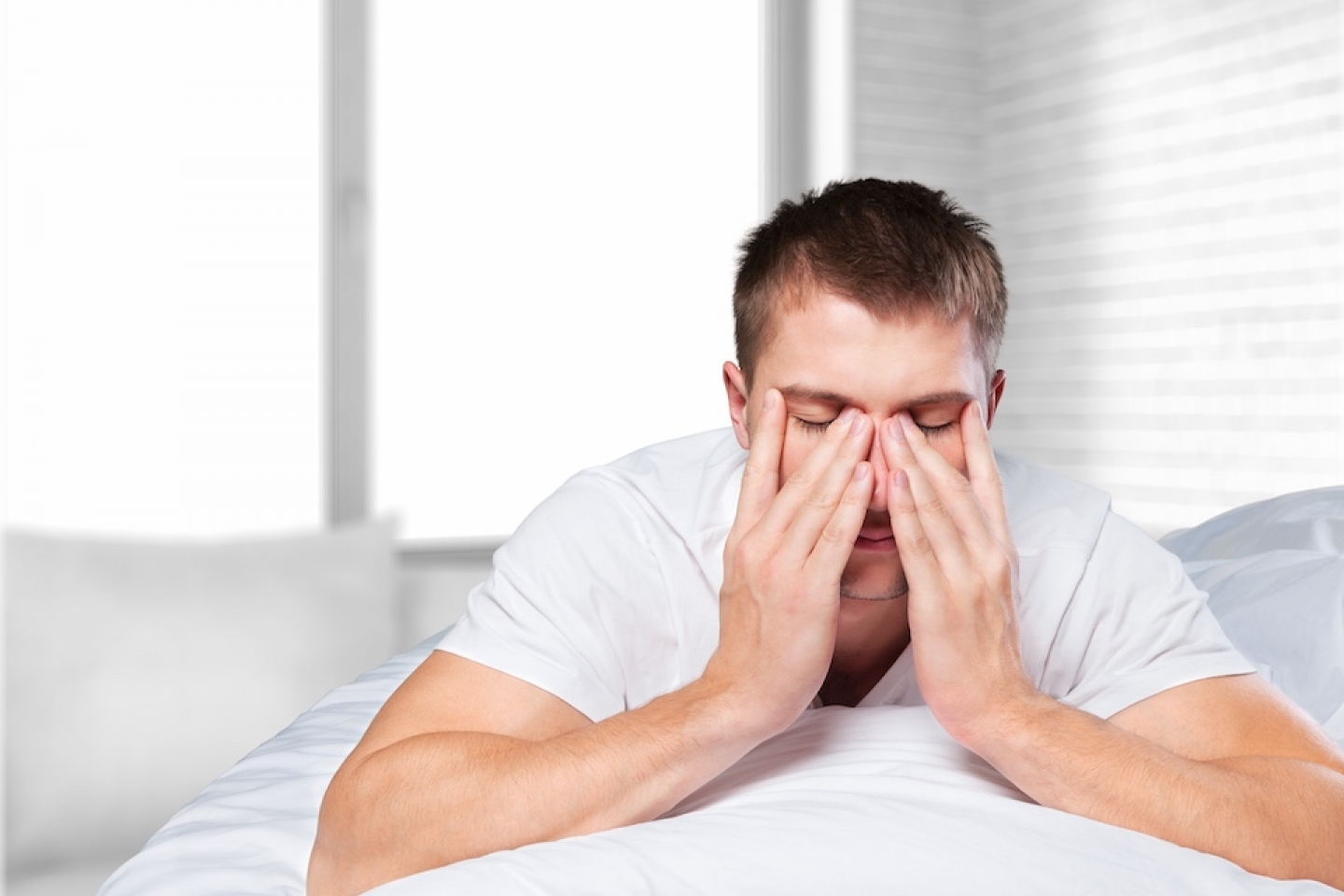
Sleep apnea can be challenging to detect on your own because many of the symptoms occur while you’re asleep or are easy to overlook. Despite this, it’s a serious condition that requires treatment to prevent potential health complications. If you think you may have sleep apnea, it’s essential to consult a qualified sleep specialist who can provide a proper diagnosis. In the meantime, there are a few questions that may help you identify whether sleep apnea could be affecting your health. Here are some insights from the sleep experts at Full Breath Solutions.
Do I Snore?
While not everyone who snores has sleep apnea, there’s often a connection. If you’re a noisy sleeper—snoring, snorting, or gasping for air during the night—it could indicate that your airway is obstructed, a key sign of sleep apnea.
Has Anyone Noticed Abnormalities in My Sleep?
Since sleep apnea episodes often happen while you’re sleeping, it can be difficult to recognize them yourself. However, those around you may notice. If your partner or family members mention that your snoring has worsened or that you have frequent pauses in breathing during sleep, it may indicate sleep apnea. These interruptions, which can happen multiple times throughout the night, can lead to restless sleep and daytime fatigue.
Am I Frequently Tired?
When you experience multiple breathing interruptions during the night, your sleep cycles are disrupted, even if you think you’re sleeping through the night. These episodes can prevent you from reaching restorative sleep stages, leaving you feeling persistently tired during the day. This constant fatigue can also affect your mood, focus, and overall well-being.
Do I Have High Blood Pressure?
Sleep apnea is associated with several cardiovascular risks, including high blood pressure. Normally, blood pressure dips during healthy sleep, allowing your heart to rest. In those with sleep apnea, however, this doesn’t occur properly, leading to an increased risk of hypertension and other heart-related issues.
Sleep Apnea Risk Factors
Certain factors can raise the likelihood of developing sleep apnea. These include:
- Excess Weight: Extra weight, especially around the neck, can put pressure on the airway, increasing the risk of airway obstruction during sleep.
- Gender: Men are more prone to sleep apnea than women.
- Family History: A family history of sleep apnea can increase your risk of developing the condition.
If you suspect you have sleep apnea, your next steps are to seek a diagnosis and explore treatment options. At Full Breath Solutions, we offer customized sleep apnea treatments designed to enhance the quality of your sleep and improve your overall health. Call us today to schedule your consultation and take the first step towards better sleep and a healthier life.
A Full Breath Center dentist will be able to help you determine if sleep apnea treatment is right for you. Please make an appointment with Dr. P. J. Nagjee by calling (310) 435-7939.