
A good night’s sleep can restore your mental and physical health, but a restful slumber often evades many patients with sleep apnea. This sleep-related breathing disorder causes repeated breathing interruptions during the night, which can leave you feeling groggy the next morning. The experts at New Jersey Sleep Apnea Solutions are skilled at helping you eliminate sleepless nights with sleep apnea. Ahead, they detail ways you can achieve better sleep.
Change Your Sleeping Position
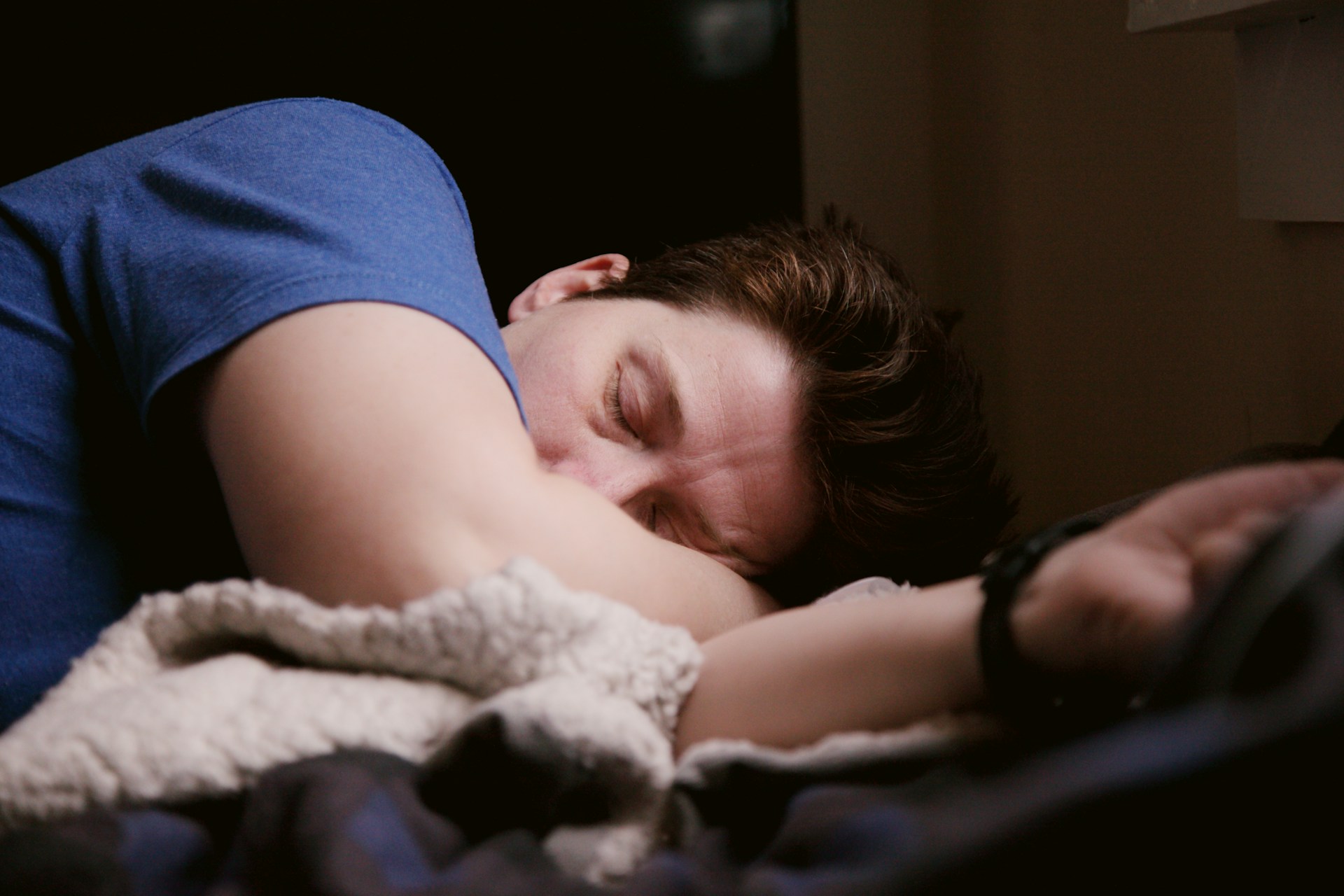
Sleep position can have a direct effect on discomfort and sleep quality. In many cases, it can also impact sleep apnea. Regularly sleeping on your back can worsen your sleep apnea symptoms, such as snoring. Instead, try sleeping on your side.
Side sleeping is the ideal position for reducing breathing interruptions from both obstructive sleep apnea (OSA), which is when a narrow airway disrupts breathing, and central sleep apnea (CSA), which occurs when the brain does not send the appropriate signals necessary for the body to breath as normal. When you sleep on your side, the delicate tissues in the mouth and throat are less likely to obstruct the airway. Although a blocked airway is not responsible for CSA, side sleeping can still limit the breathing issues that accompany this form of the condition.
By simply changing your sleeping position, many sleep apnea patients can experience a boost in sleep quality.
Maintain a Healthy Lifestyle
Certain forms of self-care can reduce the impact of sleep apnea on your life.
Lose excess weight: Being overweight can contribute to airway constriction during sleep. Shedding unwanted pounds may improve your health and your sleep apnea symptoms.
Exercise regularly: Moderate exercise can also help reduce the effects of the condition. Patients who choose this route should aim for 150 minutes of exercise per week to see improvements.
Limit alcohol consumption: There is a clear link between alcohol and sleep apnea. Alcoholic beverages slow down the central nervous system, leading to a worsening of breathing in patients with OSA and CSA.
A Full Breath Center dentist will be able to help you determine if sleep apnea treatment is right for you. Please make an appointment with Dr. P. J. Nagjee by calling (310) 435-7939.