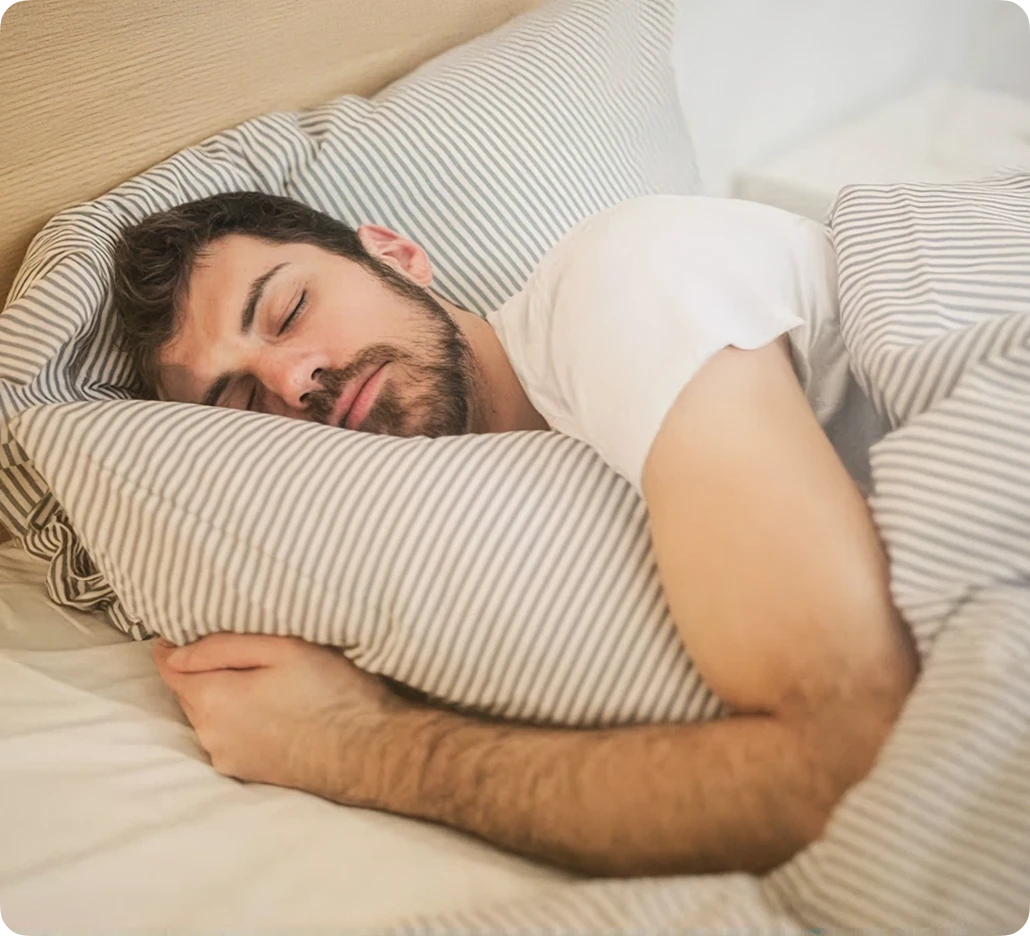
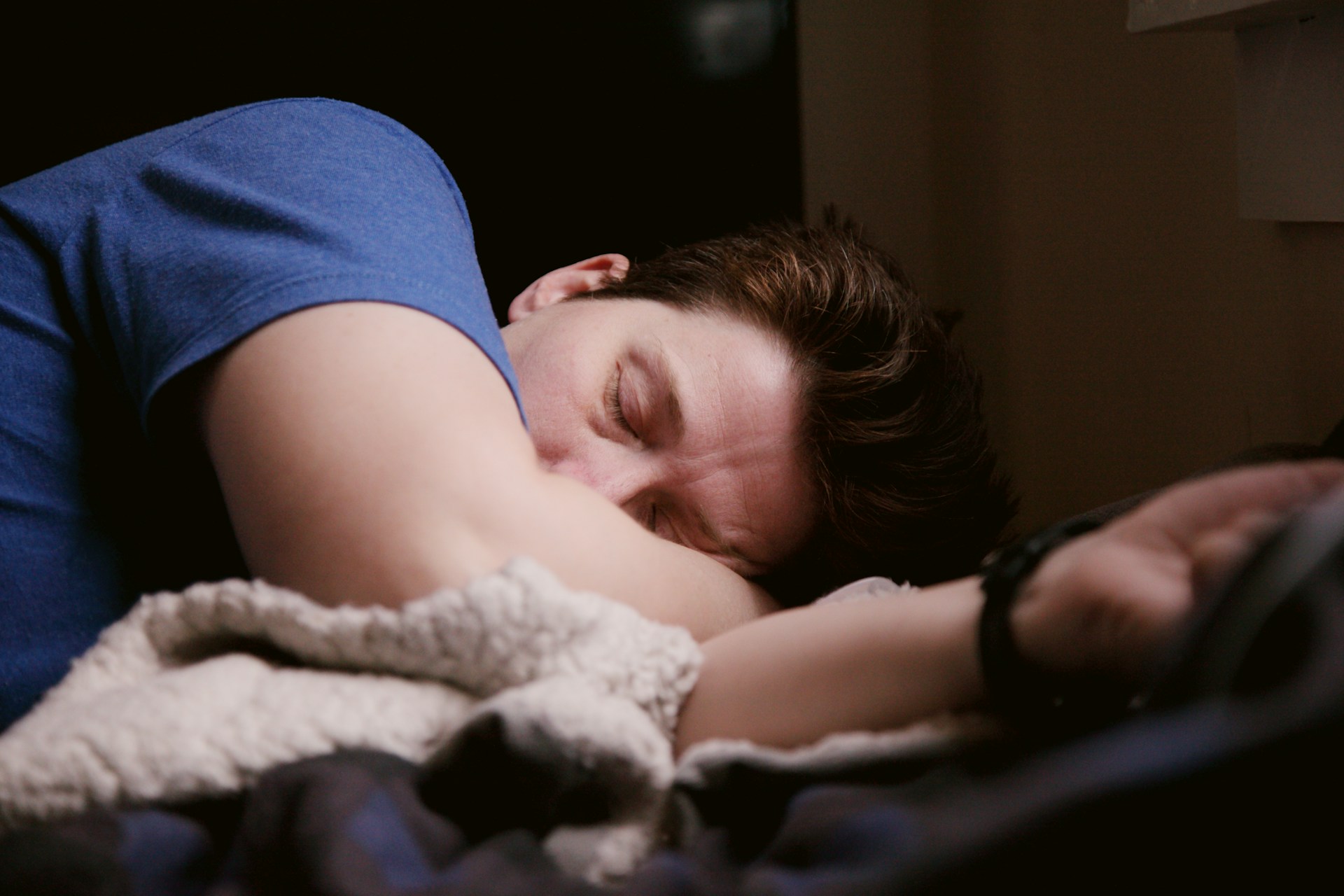
Getting a good night’s rest can be challenging if you have untreated sleep apnea. Contrary to common belief, it’s more than just loud snoring. There are 3 types of sleep apnea, but the most prevalent form is caused by an obstruction in the upper airway from the soft tissues in the back of the mouth collapsing. Obstructive sleep apnea (OSA) can increase your risk of potentially deadly health complications, but signs of the breathing disorder can be difficult to detect. Believe it or not, sleep apnea nightmares are real. Your bad dreams may be a sign of something more than an overactive subconscious mind.
Connection Between Sleep Apnea and Nightmares
Sleep apnea causes frequent breathing disruptions throughout the night from an obstruction in the airway. Each pause in breathing depletes your body of oxygen. Over time, fluctuating oxygen levels can lead to several health issues, like cardiovascular disease, diabetic complications, and morning headaches.
Every time you stop breathing, your brain will jolt you awake, which is why you may wake up choking or gasping for air. This interrupts your sleep cycle. Over time, sleep deprivation can occur, increasing your risk of workplace and auto accidents. Your mental health can decline as you deal with difficulty concentrating, memory loss, and depression. The Journal of Clinical Sleep Medicine reports that 70% of people with sleep apnea have depression symptoms.
Researchers have found that 28% of patients with depression experience frequent nightmares. Bad dreams are among the strongest indicators of depression, but that’s not the only connection to sleep apnea. Interruptions in breathing cause stress throughout the body, which can manifest into more vivid, unusual, or frightening dreams. It’s not uncommon for the severity of nightmares to increase as time goes on.
You don’t have to toss and turn all night from frightening images. Treating your sleep apnea can be the solution you need to dream peacefully and support your physical and mental health.
Options for Treating Sleep Apnea
After a sleep study confirms a diagnosis, your healthcare professional will recommend sleep apnea therapy, which can include:
- CPAP Machine: A CPAP is the most traditional method of treating sleep apnea. A gentle stream of air is delivered through a mask worn over the nose to maintain oxygen levels by keeping the airway open.
- Oral Appliance: People with mild-to-moderate cases of OSA can benefit from an oral appliance. A custom-fit device repositions your jaw and tongue to prevent them from blocking the airway. It’s a comfortable, convenient solution to enjoy quick, lasting relief from sleep apnea.
With the right treatment, you’ll sleep soundly knowing you’re protecting your wellness, so you can look forward to more pleasant dreams.
A Full Breath Center dentist will be able to help you determine if sleep apnea treatment is right for you. Please make an appointment with Dr. P. J. Nagjee by calling (310) 435-7939.