
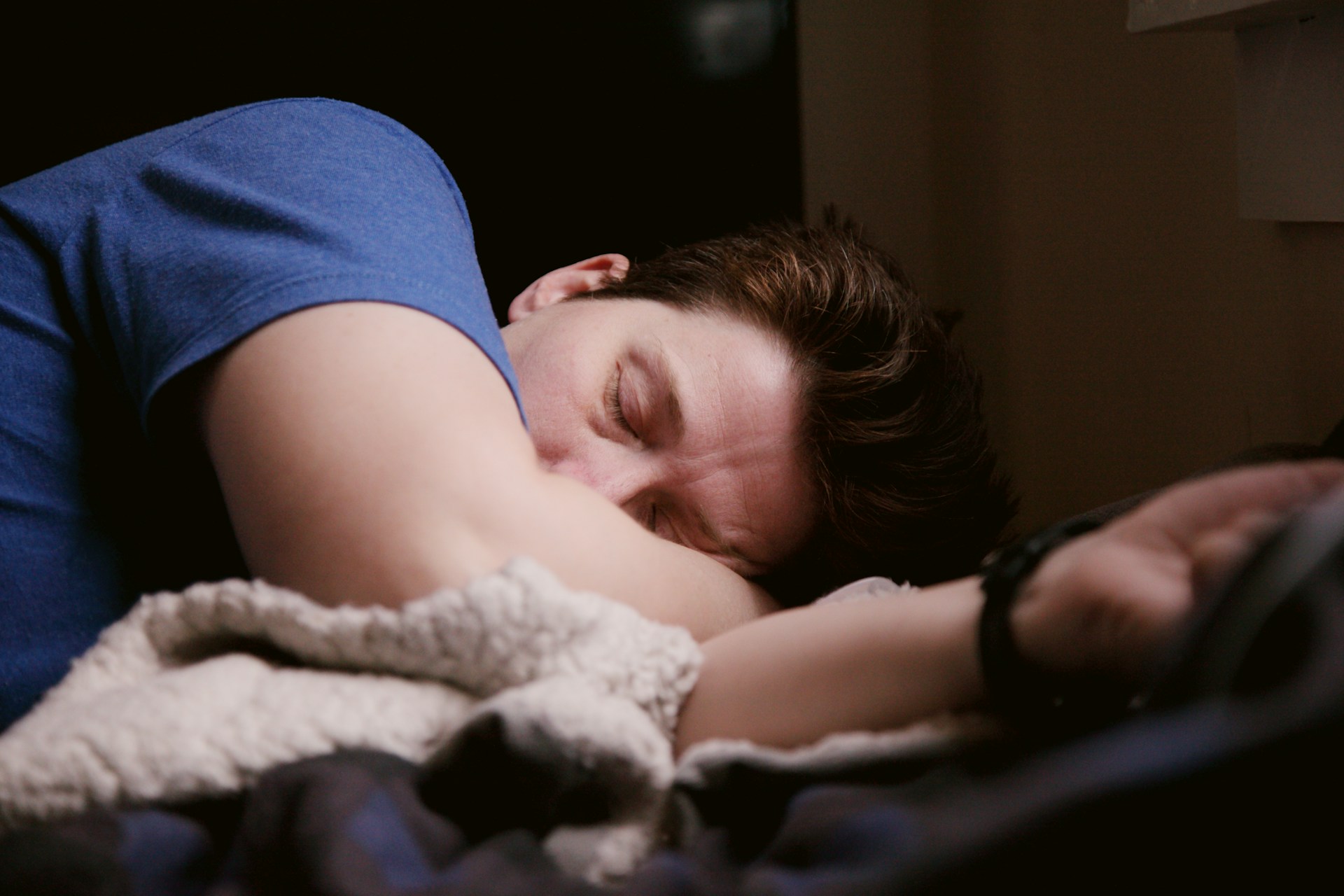
Sleep apnea is what some doctors describe as a “silent” disease, meaning it is not obvious when looking at you that you are coping with a debilitating medical disorder. You could have sleep apnea and not be aware of it — perhaps you experience vague or mysterious symptoms but don’t connect them to a sleep disorder.
Dr. Ivan Stein feels a duty and responsibility to bring awareness to sleep apnea and what it feels like to live with the condition. With his sleep apnea expertise, he can help you get diagnosed and find an appropriate treatment solution.
Read on as Dr. Stein paints a picture of what life is like with this serious sleep condition.
Daytime Exhaustion Despite a Full Night of Sleep
If you have sleep apnea, you may feel chronically exhausted no matter how much sleep you’ve had. Some people with sleep apnea describe barely staying awake during the day, or actually dozing off at inappropriate times (i.e., in a work meeting or while caring for their kids).
It’s the quality — not the quantity — of your nighttime sleep that causes extreme exhaustion. The repeated cessations in your breath at night disrupt your normal sleep cycle. Depending on the severity of your case, you may stop breathing hundreds of times during the night. These cessations (“apneas”) prevent you from getting the deep sleep your body needs so you can properly function the next day.
Morning Headaches and Sore Throat
People with sleep apnea often mention waking up regularly with a headache, dry mouth or sore throat. Obstructive sleep apnea means the airway is partially or completely blocked during sleep. This reduces the amount of oxygen in the blood that is transported to the brain, and increases the amount of carbon dioxide in the blood. Elevated levels of carbon dioxide dilate the blood vessels in the brain, causing the pain we know as a headache.
Studies have also shown a correlation between sleep apnea and inflammation of the upper airway, which explains why you may frequently wake up with a sore throat in addition to a headache.
Trouble Concentrating and Memory Problems
If you have obstructive sleep apnea, you may notice it impairs some of your cognitive function. The chronic lack of quality sleep makes it difficult to concentrate, and can interfere with your memory. You might find that you can’t concentrate for long periods at work, or you need to write yourself reminders for everyday tasks.
The Clues Are Subtle
A shared observation among many sleep apnea patients is that the clues of the condition are insidious. Sometimes symptoms develop so gradually that it is difficult to notice a pattern. Or, depending on age or lifestyle factors, it might be easy to rationalize symptoms like memory loss or fatigue.
A Full Breath Center dentist will be able to help you determine if sleep apnea treatment is right for you. Please make an appointment with Dr. P. J. Nagjee by calling (310) 435-7939.