
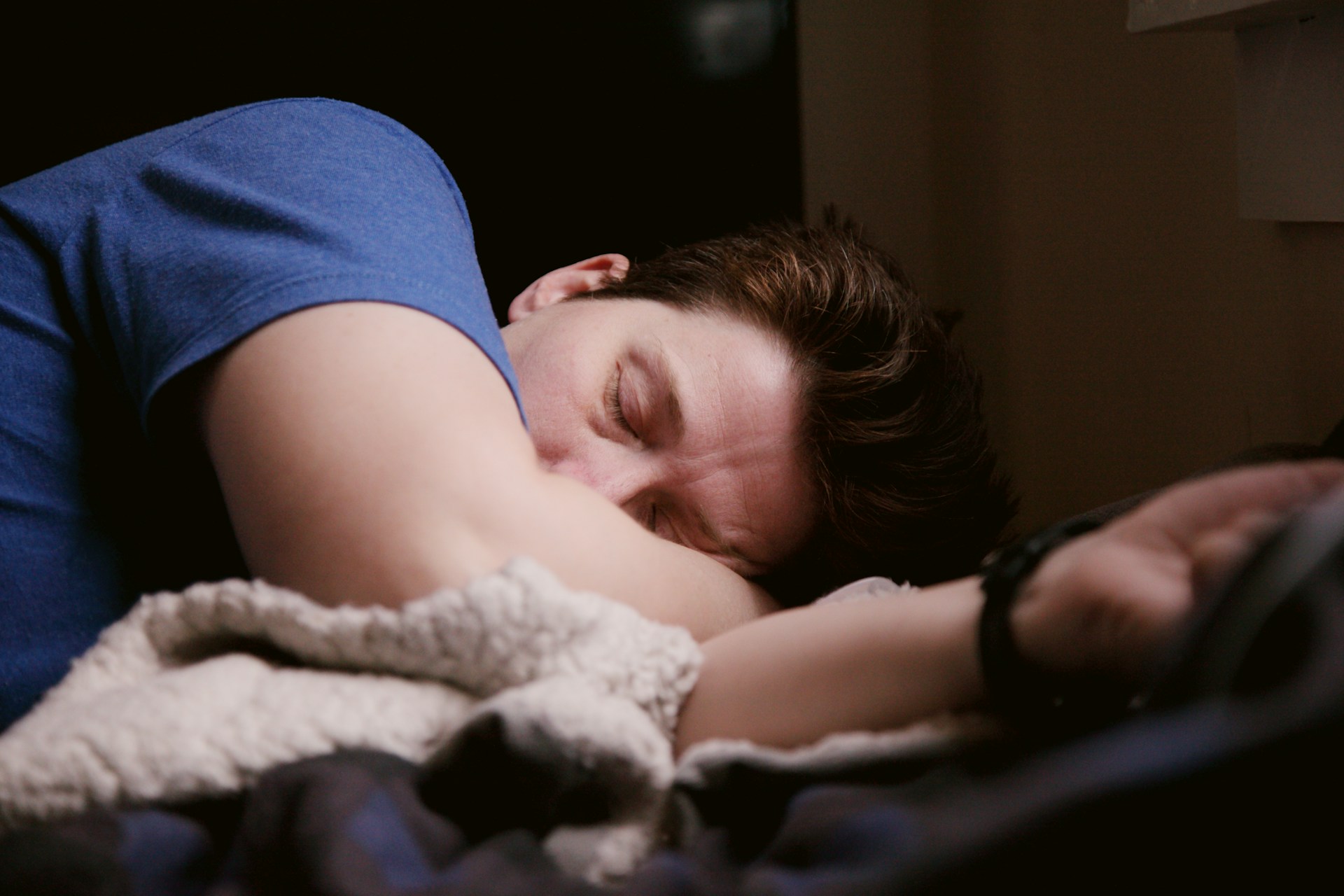
Sleep apnea is a common sleep disorder that can lead to low oxygen levels and diminished sleep quality. There are many well-known symptoms associated with sleep apnea, such as snoring, but did you know this disorder is linked to other serious health conditions? One of these conditions is stroke. Below, Dr. Ivan Stein and Dr. Allan Stein explain how sleep apnea may increase your risk of stroke.
Sleep Apnea and Stroke: The Connection
Sleep Apnea causes breathing to stop and start repeatedly during sleep, and the disorder can leave you feeling tired the next day, even after getting a full night’s rest. The most common type of sleep apnea, obstructive sleep apnea, occurs when the airway collapses while a person is sleeping, raising the risk of stroke. Additional factors include:
Reduction in blood flow: The flow of blood to the brain can result from the repeated collapse of the airway, which causes negative air pressure in the chest.
Decreased oxygen: Obstructive sleep apnea can result in blood not carrying sufficient oxygen (oxygen saturation). This leads to changes in the blood vessels of the brain.
Other risk factors leading to stroke: As mentioned earlier, obstructive sleep apnea is linked to other serious health conditions, such as diabetes, heart disease, and high blood pressure. These conditions may increase the risk of stroke.
Impact on heart structure: A hole in the heart may occur in patients with obstructive sleep apnea. This condition increases the patient’s risk of stroke.
The more severe the sleep apnea, the more likely the risk of stroke. There are three sleep apnea severity levels: mild, moderate, and severe. In mild obstructive sleep apnea, a person may experience 5 to 14 episodes of disrupted breathing per hour. Typically, other symptoms, such as a sluggish feeling the next day, are not noticed in these cases. Moderate severity describes patients with 15 to 30 episodes per hour, and daytime symptoms are more noticeable. Severe obstructive sleep apnea greatly impacts patients’ daily lives, as they suffer from more than 30 abnormal breathing episodes per hour.
Can a stroke occur while sleeping?
The short answer is yes — a stroke can occur during sleep. This condition is referred to as a “wake-up” stroke and is defined by an individual that falls asleep normally but wakes up feeling like they have suffered a stroke.
Sleep Apnea Treatment
If you think you may have sleep apnea and are worried about the increased risk of stroke and other serious health conditions, it is time to take action. A Full Breath Center dentist will be able to help you determine if sleep apnea treatment is right for you. Please make an appointment with Dr. P. J. Nagjee by calling (310) 435-7939.