
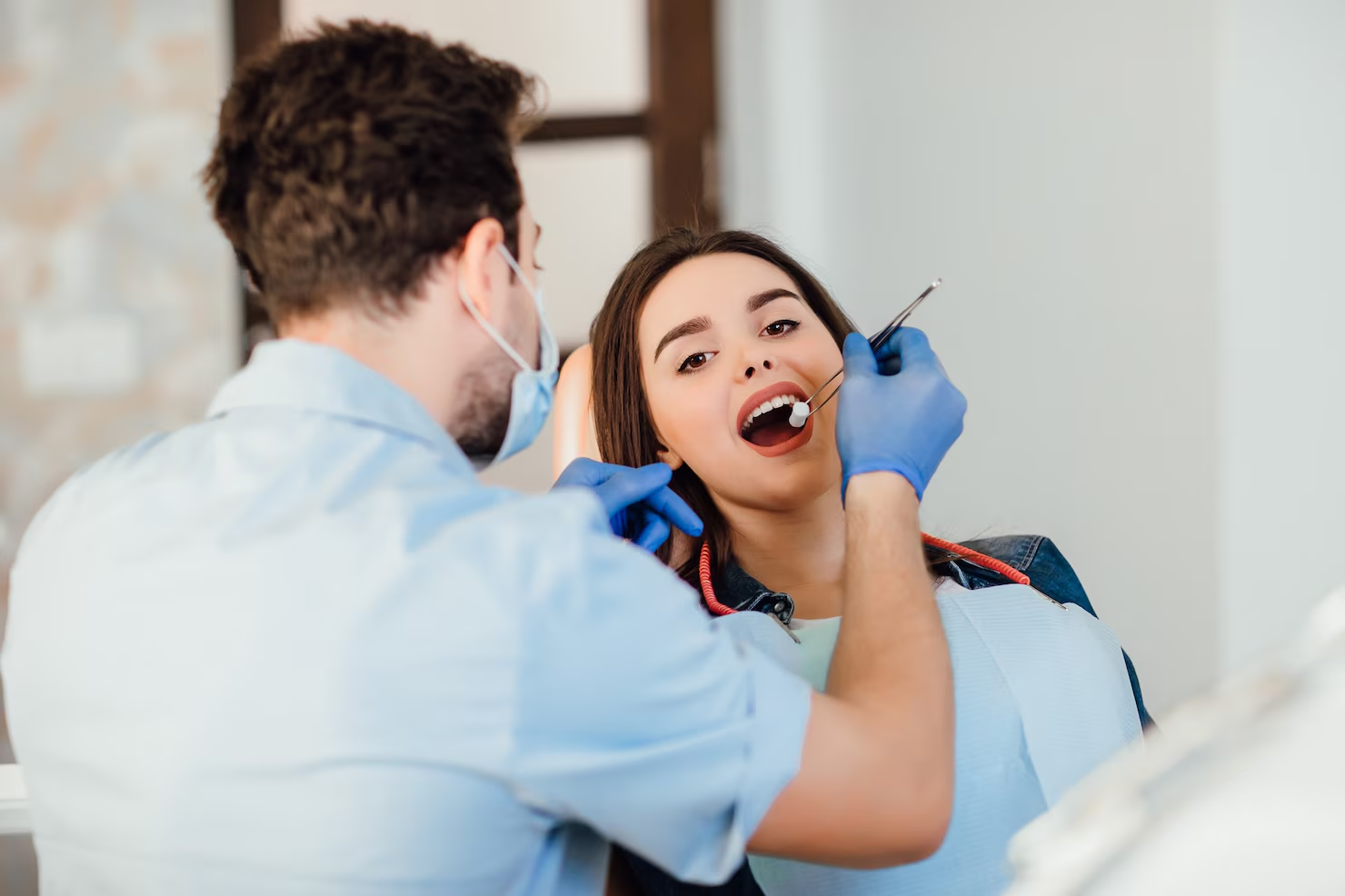
The Surprising Connection Between Your Sleep and Your Smile
Sleep apnea—a disorder that repeatedly interrupts your breathing during sleep—does more than leave you exhausted. It can directly affect your oral health in ways many people never expect. Understanding this connection is an important step toward protecting both your sleep and your smile.
At Full Breath Solutions, we work closely with oral health professionals to ensure a comprehensive, whole-body approach. If your dentist suspects sleep apnea, our team is here to guide you through accurate diagnosis and effective treatment options.
Oral Health Problems Related to Sleep Apnea
Sleep apnea doesn’t only disrupt your rest—its symptoms can show up inside your mouth and impact your daily comfort.
Teeth Grinding (Bruxism)
Bruxism is often a response to the body’s struggle to breathe during apnea episodes. The constant grinding can wear down teeth, strain the jaw, and trigger frequent headaches.
Chronic Dry Mouth and Sore Throat
Mouth breathing is common in people with sleep apnea and leads to persistent dryness. This increases the risk of:
- Cavities
- Gum disease
- Persistent bad breath
- Irritation or soreness in the throat
Inflammation and Gum Disease
Mouth breathing reduces saliva flow, which normally protects the gums. Without that protective barrier, inflammation, pain, and periodontal infections become more likely.
Solutions and Treatments: Uniting Oral and Sleep Health
The encouraging news? Treating sleep apnea can significantly improve your oral health and reduce many of these symptoms.
Medical Treatment
A sleep specialist can diagnose apnea and recommend the right treatment—such as CPAP or a custom oral appliance—to address the root cause rather than just the symptoms.
Oral Devices
Custom-made oral appliances gently reposition the jaw to keep the airway open. These devices can reduce bruxism, improve airflow, and help alleviate dry mouth.
Sleep Hygiene
Improving sleep habits—such as maintaining a regular schedule and creating a calming sleep environment—supports your treatment and benefits your overall health.
Frequently Asked Questions (FAQ)
Should I see my dentist or a sleep specialist first?
Both play important roles. Your dentist can identify oral signs of sleep apnea, but only a sleep specialist can diagnose the disorder and recommend appropriate treatment.
Can an oral device help with both teeth grinding and sleep apnea?
Yes. Oral appliances designed for sleep apnea help keep the airway open, which can naturally reduce teeth grinding and the related discomfort.
What happens if I don’t treat my sleep apnea?
Untreated sleep apnea can worsen oral health problems and increase your risk of more serious conditions such as high blood pressure, cardiovascular disease, and stroke.
A Full Breath Center dentist will be able to help you determine if sleep apnea treatment is right for you. Please make an appointment with Dr. P. J. Nagjee by calling (310) 435-7939.