
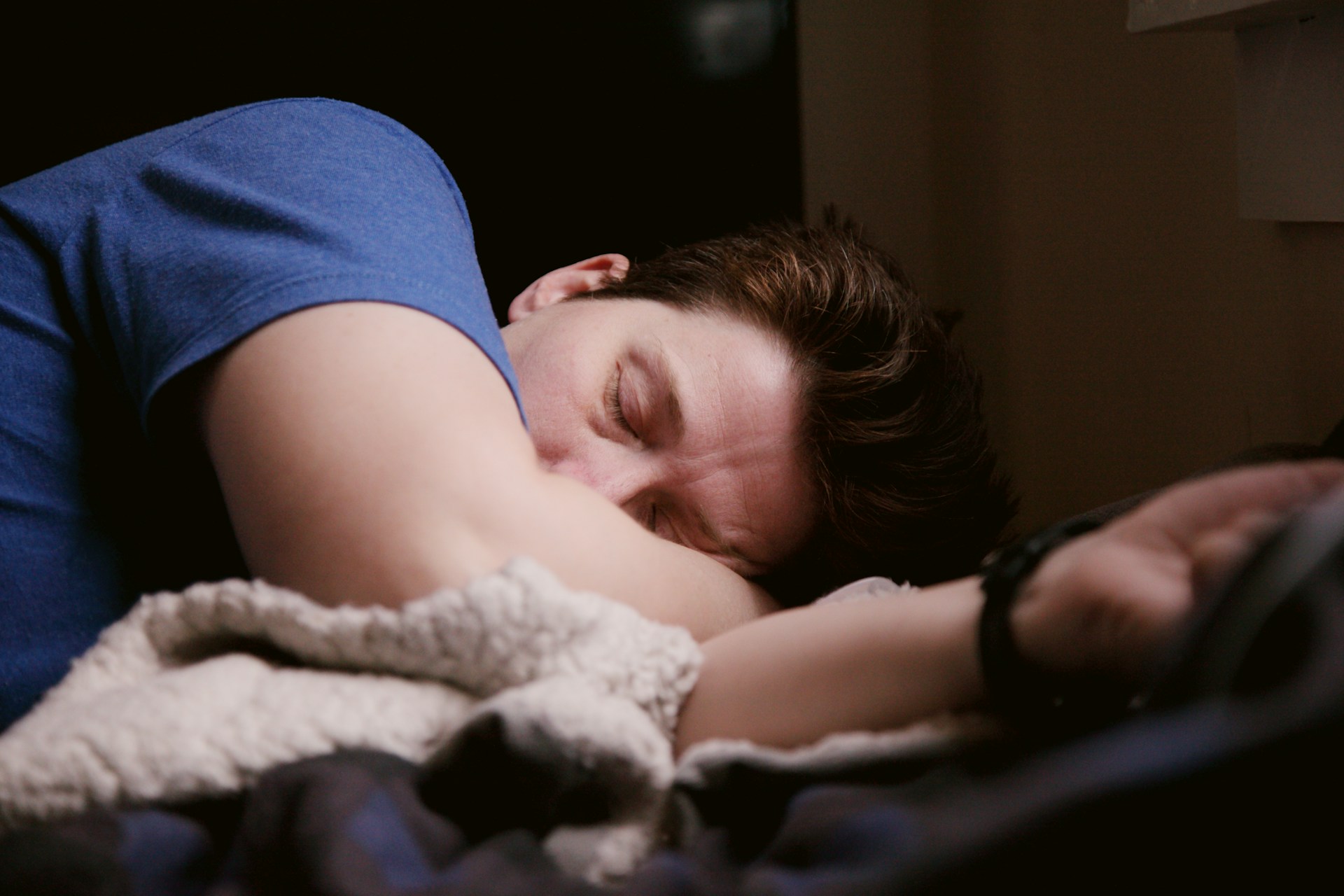
Sleep apnea is more than just snoring or feeling tired after a full night’s rest—it’s a serious sleep disorder that can have significant health consequences. Let’s take a closer look at why it’s important to address this condition and how we can help you manage it.
What is Sleep Apnea?
Sleep apnea occurs when your breathing repeatedly stops and starts during sleep. The most common type is obstructive sleep apnea (OSA), which happens when the throat muscles relax and block the airway. This can cause you to wake up gasping for breath or choking as your brain reacts to the lack of oxygen. These interruptions may happen dozens or even hundreds of times a night without you even realizing it.
Health Risks of Untreated Sleep Apnea
Heart Disease and High Blood Pressure Sleep apnea puts strain on your heart. When your body experiences repeated oxygen deprivation throughout the night, it triggers a rise in blood pressure. Over time, this can lead to chronic high blood pressure (hypertension), which increases your risk for heart attacks, strokes, and heart failure. Studies have shown that sleep apnea can significantly raise the likelihood of developing heart disease.
Daytime Fatigue and Impaired Concentration One of the more immediate dangers of sleep apnea is extreme daytime fatigue. Since your body doesn’t get the deep, restorative sleep it needs, you may feel constantly tired and struggle to stay alert. This can impair your ability to focus at work or school and increases the risk of car accidents and workplace injuries due to drowsiness.
Diabetes and Metabolic Issues Sleep apnea is often linked to type 2 diabetes and obesity. The condition affects your body’s ability to regulate blood sugar levels, which can lead to insulin resistance and, eventually, diabetes. Managing sleep apnea can help prevent these complications and improve your overall metabolic health.
Mental Health Concerns The disruption in sleep caused by sleep apnea can also negatively impact your mental health. It is associated with higher rates of depression, anxiety, and mood disorders. Lack of quality sleep alters brain chemistry and impairs emotional regulation, making it more difficult to cope with stress and maintain mental well-being.
How to Treat Sleep Apnea
The good news is that sleep apnea is treatable! At Houston Sleep Solutions, we offer a range of solutions tailored to fit your lifestyle and preferences. Some common treatments include:
CPAP Therapy: A continuous positive airway pressure (CPAP) machine keeps your airway open while you sleep, reducing apneas and improving oxygen flow.
Oral Appliance Therapy: A custom-fitted device worn in the mouth helps keep your airway clear by repositioning the jaw or tongue.
Lifestyle Changes: Weight loss, quitting smoking, and avoiding alcohol can significantly reduce the severity of sleep apnea in some cases.
A Full Breath Center dentist will be able to help you determine if sleep apnea treatment is right for you. Please make an appointment with Dr. P. J. Nagjee by calling (310) 435-7939.