
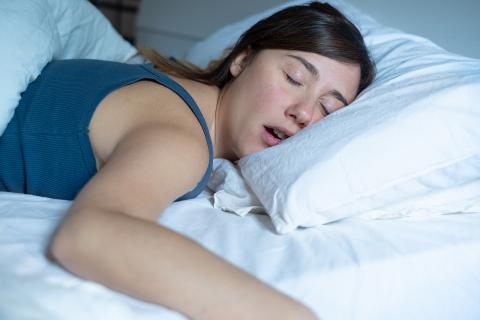
Sleep apnea is a silent yet significant health issue affecting many women—often overlooked or misdiagnosed because the symptoms tend to be more subtle and atypical compared to those seen in men. At Full Breath Solutions, we understand the unique challenges women face with this condition and the importance of early, accurate diagnosis paired with truly personalized care. While sleep apnea is commonly associated with loud snoring in men, women often present very different symptoms, making the condition harder to recognize. Yet despite its quiet presentation, untreated sleep apnea can profoundly undermine a woman’s health, energy, and overall quality of life.
What Is Sleep Apnea?
Sleep apnea—specifically obstructive sleep apnea (OSA)—occurs when the airway becomes blocked repeatedly during sleep, disrupting normal breathing patterns. Unlike simple snoring, OSA causes breathing to pause multiple times throughout the night, often without fully waking the sleeper. These interruptions lower oxygen levels and prevent deep, restorative sleep, leaving women exhausted even after a full night in bed.
While snoring can be a sign of a mild case, sleep apnea is far more serious, silently compromising both physical and mental well-being.
Why Sleep Apnea Is Underdiagnosed in Women
Sleep apnea frequently goes undetected in women because their symptoms often differ from the “classic” presentation seen in men. Instead of loud, disruptive snoring, women may experience:
- Persistent fatigue
- Insomnia or frequent nighttime awakenings
- Mood swings or irritability
- Morning headaches
- Difficulty concentrating
- Symptoms resembling anxiety or depression
These issues are often misattributed to stress, menopause, hormonal changes, or busy lifestyles—causing many women to remain undiagnosed for years.
Increasing awareness around these subtle but serious signs is essential. When women understand how differently sleep apnea can present, they are more likely to seek expert evaluation and get the care they need.
The Health Risks of Untreated Sleep Apnea in Women
The consequences of untreated sleep apnea extend far beyond daytime tiredness. For women, unmanaged OSA can significantly increase the risk of:
- Heart disease and stroke due to cardiovascular strain
- Mood disorders, including anxiety and depression
- Weight gain and insulin resistance, contributing to metabolic issues
- Hormonal imbalances, which can disrupt menstrual cycles
- Pregnancy complications, including gestational hypertension
These risks highlight why timely diagnosis and treatment are crucial for protecting long-term health.
How Full Breath Solutions Makes Diagnosis Easy
At Full Breath Solutions, we’ve streamlined the sleep apnea diagnostic process to make it more comfortable, modern, and accessible for women. Our at-home sleep testing uses non-intrusive, wrist-based technology—eliminating the bulky wires and uncomfortable headgear of traditional sleep studies. With fast turnaround times and expert data review, you can take the first step toward better sleep without disrupting your daily routine.
Personalized Treatment Options for Women
Our philosophy is simple: no two women experience sleep apnea the same way, so treatment should never be one-size-fits-all. At Full Breath Solutions, we offer customized oral appliances as a comfortable, effective alternative to CPAP therapy. These devices are carefully designed and fitted to support your individual airway structure and lifestyle needs.
We also provide ongoing follow-ups and adjustments to ensure your treatment remains effective and comfortable over time. Our goal is to support you at every step—and help you reclaim the rest, energy, and health you deserve.
A Full Breath Center dentist will be able to help you determine if sleep apnea treatment is right for you. Please make an appointment with Dr. P. J. Nagjee by calling (310) 435-7939.