
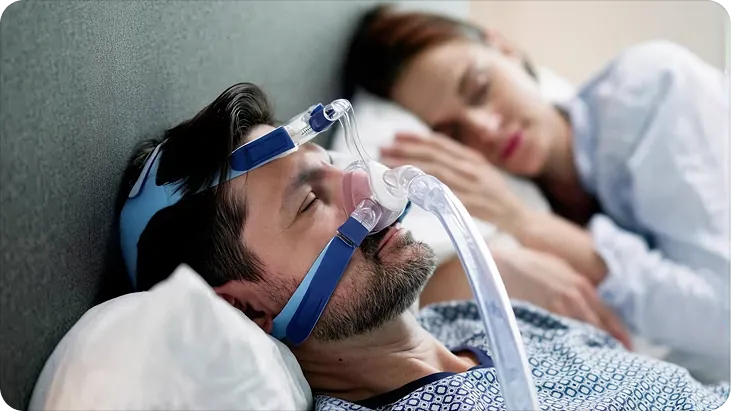
A good night’s sleep isn’t measured only by the number of hours you spend in bed. It’s about how well your body rests and how refreshed you feel when you wake up.
If you regularly wake up feeling groggy, rely on coffee to get through the day, or never feel fully rested despite getting enough sleep, your body may not be getting the restorative sleep it needs. In many cases, poor sleep quality can be linked to an underlying condition like sleep apnea.
Understanding what defines healthy sleep is the first step toward improving your energy, focus, and overall well-being.
What You’ll Learn
In this article, you’ll discover:
- What a good night’s sleep really means
- How much sleep adults actually need
- Signs your sleep quality may be poor
- Simple habits that can improve sleep
- When poor sleep could be a sign of sleep apnea
A Good Night’s Sleep Is About More Than Just Hours
Most adults need between seven and nine hours of sleep each night. But spending enough time in bed doesn’t always mean you’re getting quality rest.
Healthy sleep allows your body to move naturally through different sleep stages, including deep sleep and REM sleep. These stages are essential for physical recovery, memory, emotional well-being, immune function, and overall health.
If your sleep is repeatedly interrupted, your body may never reach these restorative stages, leaving you feeling tired even after a full night’s sleep.
How Much Sleep Do You Really Need?
While everyone’s sleep needs are slightly different, the National Sleep Foundation recommends:
- Adults (18–64 years): 7–9 hours per night
- Older adults (65+ years): 7–8 hours per night
However, quality matters just as much as quantity.
If you regularly sleep for eight hours but still wake up exhausted, the issue may not be how long you’re sleeping. It may be what’s happening while you’re asleep.
Signs You’re Not Getting Restorative Sleep
Many people assume feeling tired is simply part of a busy lifestyle.
But persistent fatigue can be a sign that your sleep isn’t as restorative as it should be.
Common signs include:
- Waking up feeling tired every morning
- Needing multiple cups of coffee just to stay alert
- Difficulty concentrating throughout the day
- Loud snoring
- Waking up gasping for air
- Morning headaches
- Frequently waking during the night
- Feeling sleepy during the day
If several of these symptoms sound familiar, it may be worth looking beyond your sleep routine and considering whether an underlying sleep disorder is affecting your rest.
The Role of Healthy Sleep Habits
Good sleep hygiene plays an important role in helping your body prepare for restful sleep.
Simple habits that can make a difference include:
- Going to bed and waking up at the same time each day
- Limiting screen time before bed
- Avoiding caffeine and heavy meals late in the evening
- Keeping your bedroom cool, quiet, and dark
- Creating a relaxing bedtime routine
While these habits can improve sleep quality, they may not fully resolve symptoms caused by an underlying condition such as sleep apnea.
When Poor Sleep Could Be Something More?
If you’ve improved your sleep habits but still wake up feeling exhausted, poor-quality sleep may have a medical cause.
Obstructive sleep apnea repeatedly interrupts your breathing throughout the night. Each time your airway becomes blocked, your body briefly wakes you just enough to breathe again. Most people don’t remember these interruptions, but they prevent your body from getting the deep, restorative sleep it needs.
That’s why many people with sleep apnea sleep for enough hours but still feel tired every day.
When Should You Seek Professional Help?
Occasional poor sleep is normal.
However, if you’ve been experiencing persistent fatigue, loud snoring, morning headaches, or waking up gasping for air, it’s worth discussing your symptoms with a healthcare professional.
Sleep disorders like sleep apnea often go undiagnosed for years, yet early diagnosis can significantly improve both your sleep quality and your long-term health.
How Dr. Nagjee Helps Patients Sleep Better?
Better sleep starts with understanding what’s disrupting it.
Dr. Nagjee begins every consultation by taking the time to understand your symptoms, sleep habits, and previous treatment experiences. If poor nighttime breathing appears to be affecting your sleep quality, he’ll determine whether Full Breath Solution or another treatment option is the right approach for you.
Rather than offering a one-size-fits-all solution, every recommendation is personalized to help you achieve deeper, healthier, and more restorative sleep.
Conclusion
Getting enough sleep isn’t just about spending more time in bed. It’s about giving your body the uninterrupted rest it needs to recover, recharge, and function at its best.
If you consistently wake up feeling tired despite getting enough hours of sleep, don’t assume it’s something you simply have to live with. Poor-quality sleep may be a sign that an underlying condition, such as sleep apnea, is affecting your health.
Understanding the cause is the first step toward sleeping better, feeling more energized, and improving your overall quality of life.
Better Sleep Starts With Understanding What’s Keeping You Awake
If you’re waking up tired despite getting enough sleep, schedule a consultation with Dr. Nagjee to better understand what’s affecting your rest.
He’ll take the time to understand your symptoms, answer your questions, and recommend the treatment that’s right for you. If Full Breath Solution can help, he’ll explain exactly what comes next. If it isn’t the right approach, he’ll tell you that too.
Schedule Your Consultation